
The AA slogans, including “One Day at a Time,” have become widely recognized symbols of hope, resilience, and determination within the recovery community over the decades. These simple yet profound phrases encapsulate the essence of living in the present moment and focusing on each day’s progress rather than overwhelming oneself with thoughts of long-term goals. Such sobriety tattoos are also the only reminder you need to stay on your current path. These sobriety tattoos can be a good reminder to never give up and to keep moving forward even when times get tough. By themselves, such sobriety tattoos can feel pretty plain, so if you want to take your sobriety tattoo to the next level, you can add some artistic elements.
Powerful Sobriety Tattoo Design: Words of Strength, Family, Love, and Freedom on Skin
- The tattoo shows a single drop creating ripples in still water, symbolizing the moment of impact when one decides to embrace sobriety.
- Whether you’re working individually or in a group, I will provide creative and therapeutic art ideas tailored to your needs.
- I will help you find meaningful and unique tattoo ideas that symbolize your journey and recovery from alcohol addiction.
- Small Sobriety Tattoos are placed on the arm or leg which symbolize the ‘sobriety’ of the drinker.
The process can serve as a therapeutic outlet, a way to process and externalize internal struggles, achievements, and the transformation that comes with sobriety. I will help you Sobriety find the perfect graduation tattoo idea that symbolizes your achievement and personal style. Whether you want something symbolic, a meaningful quote, or a unique design, I will provide you with creative and thoughtful suggestions. I will help you create meaningful and personalized tattoo designs that symbolize your journey through addiction recovery.

Recovering Alcoholics With Meaningful Tattoo Designs
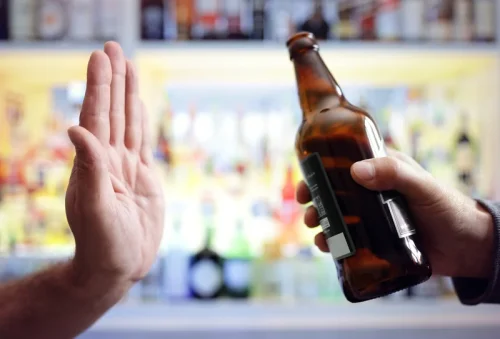
There are a few tattoo ideas that are universal, however, for recovering alcoholics. These tattoos also play an important role in fostering community and support among those in recovery from alcohol or substance abuse themselves. When others see these symbols, it can spark conversations about shared experiences and provide an opportunity for encouragement and connection. At the same time, if you choose to get a sobriety tattoo like https://ecosoberhouse.com/ this, you are also making the point that the fight is worth it and that you are going to continue fighting. I also have to say that such sobriety tattoos tend to be incredibly visually compelling. The sobriety tattoo design, the colors, and the vibe come together to create a sobriety tattoo that you can’t take your eyes off of.
Making the Choice
Choosing these personal symbols requires introspection and a deep understanding of one’s journey through recovery. It’s about finding visual representations that convey the hardships faced and the triumphs achieved. These tattoos become a source of pride, a badge of courage, and a lifetime reminder of the strength it took to turn their life around. The beginning of a sober life is a pivotal moment that many wish to commemorate in a meaningful way. These symbols serve as potent reminders of the transformation that has occurred, representing growth, resilience, and the blossoming of a new life free from addiction. I will help you discover unique and meaningful tattoo ideas tailored specifically for women.
If you’re not keen on getting a tattoo, you could always celebrate your sobriety at an AA meeting or the 12-step program to get a sobriety coin. You could also wear these symbols as enamel pins so they remind you of the journey you’ve been through – celebrating and commemorating your most significant achievement. This article discusses the meaningful symbols that people in recovery often choose to get tattooed.
Placement of the triangle symbol is very diverse given the simplicity of the logo. You could choose to tat this as a standalone piece or a hidden symbol with a larger piece or sleeve work. Whatever type you choose, this logo can help to remind you of your determination and strength on the rough days. Complementing sobriety tattoos, SOBRLIFE clothing adds a personal touch to the recovery journey. It makes a powerful sober statement reflecting personal recovery and the sobriety journey in a unique way.
Planning Your Sobriety Tattoo
- However, it’s important to consider the pros and cons before getting a sober-themed tattoo.
- Look for artists who are experienced in creating sobriety and recovery tattoos, as they will be more likely to appreciate the depth of your journey.
- As you will notice in such sobriety tattoos, all sides of this triangle are equal and balanced.
- Think about the style, size, and placement of the tattoo to ensure it aligns with your vision.
- It’s a journey filled with ups and downs, requiring heaps of courage, a dash of resilience, and a relentless drive toward a better, healthier you.
It is because of this that the most that you can expect alcohol recovery tattoo ideas from yourself is to take one day at a time. If you are having trouble staying on the straight and narrow, it can be helpful to simply think of today – tackle tomorrow when you get there. NEDA Tattoo The NEDA symbol is an acknowledgement to all those living with eating disorders. StyleCraze provides content of general nature that is designed for informational purposes only. The content is not intended to be a substitute for professional medical advice, diagnosis, or treatment.

Sobriety symbols transcend mere body art—they encapsulate a narrative of strength, resilience, and personal growth. Each symbol becomes a silent yet powerful ally in the ongoing battle against addiction. They are an ever-present reminder of the unwavering commitment to a life of sobriety. As a sobriety symbol, the lotus flower embodies transformation, resilience, and inner growth. Those are some of the first things that come to mind when thinking of addiction recovery. The flower represents the journey from a troubled past to a new beginning in recovery, from muddy waters to fresh air.
]]>
Ayon et al. (2019) showed that reaching out to the community is a feasible model through which all relevant services can be introduced, including family planning, sexual health, social support, preventive interventions, and others [21]. This publication initially outlines the needs of female drug users and stakeholders who can assist and then presents designed interactions to meet those needs. The current study highlights the value of staff training, human resource capacity building, technical support, and financial resources to provide contraception and other sexual health services.
Prevention approaches are needed that work for everyone, not only people who are at low risk for substance use due a lack of environmental, social, or genetic risk factors. Some treatment programs may heighten internalized stigma among people in recovery from SUDs by encouraging them to focus on their character defects, retrospect on ways that they have wronged others, and acknowledge their own powerlessness (Corrigan et al., 2017). Yet, shame, the emotional core of internalized stigma, undermines recovery efforts (Hill & Leeming, 2014). First, onlyarticles published in English were included based on language limitations among thestudy team. However, this review exposed theseexisting gaps and inconsistencies in the scientific literature, providing animportant foundation for future research on intersectional gender- and druguse-related stigma.
Definitions, Key Concepts, and Processes
Several articles explored how societal expectations of women’smorality (6; 17%) [41,43,59,65,68,73], cleanliness and attractiveness (3; 9%)[41,45,48], and roles as mothers (8; 23%) [44,4553,60,65,68,69,73], shapedexperiences of drug use-related stigma for WWUD. These studies described how druguse-related stigma can be amplified for WWUD due to the higher moral standardssociety has for women compared to men. As such, drug use by women is seen as aviolation of these moral expectations and results in the greater stigmatization ofWWUD.

Individuals construct boundaries and identities that separate them from others who they view as having lower status. Although society assigns negative labels for drug users, their identity is also influenced by other drug using individuals who define distinctions between drug users. For example, Copes and his colleagues explain that “hustlers” what does being roofied feel like (i.e., minor criminals) within the drug community believe that they are above “junkies” (i.e. hardcore criminals). Although “hustlers” are still part of the same drug community as “junkies,” they see themselves as a step closer to being “normal” than “junkies,” who have fallen the lowest levels of drug user category. Given their expertise in mental and behavioral health, psychologists are uniquely positioned to play a frontline role in addressing stigma within the current opioid epidemic as well as within co-occurring and future substance use crises.
Still Reaching: The Syndemics that Complicate and Characterize How Drugs and HIV Intersect in People’s Lives
Below, strategies are identified for psychologists to address stigma via clinical care, research, and advocacy. Theorists and researchers have constructed a definition of stigma, articulated key concepts related to stigma, and described processes linking stigma with health inequities across the lifespan. Within this section, these definitions, key concepts, and processes are described in the context of SUDs, with a focus on the current opioid epidemic. A conceptual framework, which builds off of previous theory and research on stigma and health inequities (Earnshaw et al., 2013; Earnshaw & Chaudoir, 2009; Hatzenbuehler et al., 2013; Quinn & flakka wikipedia Earnshaw, 2011; Smith & Earnshaw, 2017), is included to guide this discussion (Figure 1). Among the 28 individual perspective articles, a little over half (15; 53%)were from North America, 6 (21%) were from Asia/the Middle East, 3 (11%) were fromAustralia/New Zealand, 1 (4%) was from Europe, 1 (4%) was from Africa, and 2 (7%)were global in scope.
- In contrast, for women living in remote, peripheral rural areas, challenges include marketing efforts to distribute painkillers that encourage the use of such drugs, including strong painkillers, the unproblematic prescribing of potent painkillers by rural doctors, and at the same time, limited treatment options [36].
- The stigma of drug use is also greater for mothers since they are expected to be the caregivers, raise children, and be more family oriented than fathers.
- Individuals can therefore both affect and are affected by structural change (de la Sablonnière, 2017).
- Valuable findings include indications that strengthening organizational capacity and human resources, adequate technical support, access to financial resources, and public acceptance of these needs and changes in perceptions of women are critical factors for change [21].
- The sad irony of the women using drugs to feel normal was that it actually led them to behave contrary to the norms of mainstream society.
- At The Recovery Village, a team of professionals can design an individualized treatment program for each client, regardless of gender, to address substance use and co-occurring disorders.
Overdose deaths increased in pregnant and postpartum women from early 2018 to late 2021
It should not be used in place of the advice of your physician or other qualified healthcare providers. Although the women drug users were often separated from society until they recovered, this did not help address the reasons why they used drugs. The environment of the criminal justice system was not the right social situation for women to recover. The use of drugs can be divided into several stages which do not necessarily correlate to the amount of drugs used throughout the drug-using period.
In addition, women who are mothers suffering from addiction have a complicated situation stemming from the stigma they experience compared to non-mothers and the need to balance parental responsibilities with participation in therapy, what does it feel.like to be drunk often lasting several weeks in an inpatient setting [17]. This section explores the lives of the women after they were exposed as drug users and as they faced different types of criticism. As discussed, some of these women did not feel normal before using drugs, but felt more normal while using.
Many of the women went through emotional and psychological difficulties, such as depression and social stress, which they felt was addressed through the use of drugs. In both cases, the women began the use of drugs to avoid the stigma they faced in their current lives. The concept of “self-medication” examines coping with feelings of hopelessness and feeling different from those who seem happy in mainstream society. Specifically, idealized weight was a common reason that the women turned to methamphetamine when they felt that they were not meeting social expectations of the perfect female shape. The second theme that emerged from the coding is Social Control, which is divided into sub-themes of treatment services, religion, and social environment. These sub-themes represent social control agents in the sense that they influence the women to control their drug use (in this case methamphetamine) or become drug-free.
The mothers who currently had children in their care (custodial mothers) provided a comparison group for those who were not mothers or who no longer lived with their children. The life histories of these women provided rich data on life experiences and situations that could answer the key questions related to stigma, normality and challenges to recovery among female drug users. The articles included within this descriptive theme illustrateexperiences of intersectional drug use stigma for WWUD within healthcare settings.These articles include accounts of drug use-related stigma from both theinterpersonal (5; 14%) [46,47,49,51,60] and individual perspectives (8; 23%)[50,54.58,59,61,65,70,72].
Associated Data
In addition, for women living in poorer neighborhoods, an indicated challenge is the so-called “domino effect,” i.e., despite the favorable completion of therapy, recurring difficulties in returning to fulfilling social roles related to past experiences [23]. In contrast, for women living in remote, peripheral rural areas, challenges include marketing efforts to distribute painkillers that encourage the use of such drugs, including strong painkillers, the unproblematic prescribing of potent painkillers by rural doctors, and at the same time, limited treatment options [36]. To our knowledge, this is the first systematic review of the intersection ofgender- and drug use-related stigma. The results of current review and synthesiscontribute valuable insights into the experiences of WWUD with drug use-relatedstigma and the gendered social norms that produce heightened levels of intersectionaldrug use- and gender-related stigma and gender-based violence for WWUD. Furthermore,this review serves to identify potential methodological weaknesses in the existingmeasurement of the gendered impact of drug use-related stigma on drug use-relatedbehavioral outcomes. Current quantitative approaches to assessing drug use-relatedstigma are not only lacking a consistent operationalization of stigma, but also havenot been designed or adapted to address the unique gendered stigma experiences ofWWUD.
Much of our understanding of associations between stigma and health inequities rests on research with people with stigmatized statuses that are relatively stable over time. People are often born into a stigmatized group (e.g., minority races/ethnicities, female sex), become aware that they are a member of a stigmatized group (e.g., minority sexual and gender identities and expressions), or transition into a stigmatized group (e.g., HIV, incarceration). Their experiences of stigma manifestations may fluctuate some as their identity develops and as they transition into new environments; yet, they may also reach sustained periods of relative stability. For example, some evidence suggests that people experience heightened HIV stigma immediately after an HIV diagnosis but that this stigma decreases and begins to plateau within several months (Eaton et al., 2018). As people develop SUDs, transition into recovery, and possibly experience relapses of substance use symptoms (Kelly et al., 2017), the ways in which they experience stigma manifestations and how these stigma manifestations impact outcomes may fluctuate. To better understand the dynamic nature of substance use stigma, psychologists conducting cross-sectional research might seek to understand whether and how stigma impacts people differently at various stages of SUD development and recovery.
In a South African study, non-drug using individualsreported that WWUD are not viewed as a “policy or funding priority,”and that this omission from the policy and funding discussion within thehealthcare arena further results in women being an underserved population of PWUD(Myers et al., 2016 [49]). Thesestructural level oversights result in a lack of gender-specific drug treatment andother health-related services, which creates important barriers to care and servesto further perpetuate vulnerability for WWUD. In England, on the other hand, structural challenges include poor access to doctors’ offices and counseling related to both treatments of substance abuse problems and sexual health issues, as well as access to related institutions, e.g., related to anti-violence and sexual assault [37]. Many researchers indicate that these interactions are essential for improving education and awareness of risks. One of the most critical needs, however, seems to be the establishment or increase of facilities exclusively for women with addiction problems, as well as medical facilities for pregnant women or women with children, and above all, the adaptation of treatment programs to the specific needs of women [26,27,28,29,30,35,39]. It is also important to introduce appropriate social, health, and care interventions for women suffering from drug addiction before and after drug treatment [5,23], if possible, with the introduction of interventions implemented by women for women [32].
]]>
This cross-sectional study was conducted in Kerman, Iran, the center of Kerman province as the largest province of Iran. Participants consisted of 35 MMP recruited from outpatient methadone clinic of Shahid Beheshti Hospital, and 35 matched controls without histories of substance abuse recruited from the local community. Due to a higher prevalence of males than females during the sampling period, all the substance abusers, who volunteered for the study, were male. Both groups were matched with respect to age, years of education, and employment status. Methadone maintenance has received little scientific attention regarding neurocognitive effects. This study is aimed to assess the neuropsychological performance of methadone maintenance patients (MMP) compared to those healthy controls.
The Psychological Effects Of Methadone

It can give a similar feeling and keep you from having withdrawal symptoms and cravings. Methadone can be quite useful in helping people step away from the harsh effects of opioid addiction. But when methadone withdrawal a person develops an addiction when treating another, it can seem like an endless cycle where addiction always wins. If you are struggling, or know someone who is and wants to help, don’t hesitate.
What Are The Long-Term Effects Of Methadone?
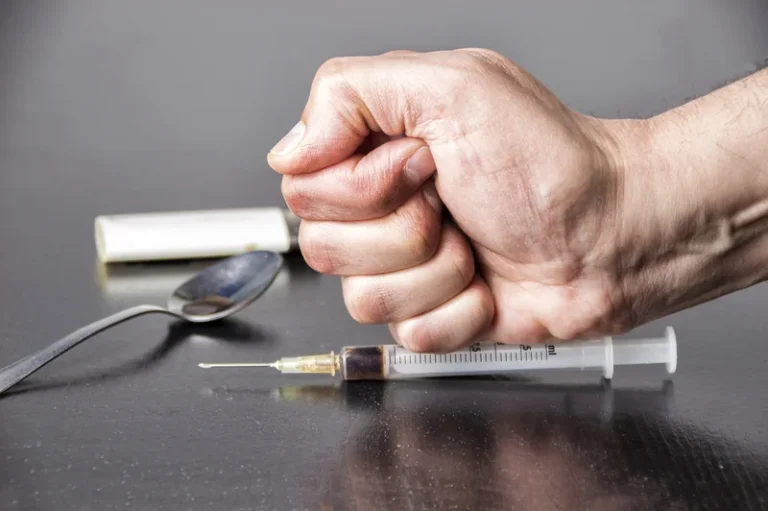
People who used opioids daily, or on at least 81 of the 90 days, had a 40% higher risk of depression than people who used them only occasionally, or on less than half of the 90 days. The above study didn’t specifically explore opioid use disorder risk, and opioid misuse isn’t the same thing opioid use disorder. Misusing opioids can raise your risk of this mental health condition, it’s true — but you can still develop it when taking opioids exactly as your doctor prescribed. “However, that’s not to say that addiction is solely driven by the amount of pleasure,” said Brian Kiluk, a clinical psychologist and psychiatry professor at Yale School of Medicine, who was not involved with the new study.
- The association between different types of opioids used and these mood symptoms warrants further research.
- Extra-medical opioid use increases the risk of opioid use disorder [15], in addition to the increased prevalence of depression and anxiety in individuals using nonprescription medical opioids [16].
- With this approach, you’ll learn helpful ways to cope with anxiety and practice them under the guidance of a therapist.
More on Substance Abuse and Addiction
- JL, SC-F, and LD are supported by National Health and Medical Research (NHMRC).
- If you do not have a take-back program nearby or one that you can access promptly, flush any methadone tablets or solution that are outdated or no longer needed down the toilet.
- Anxiety and depression can also complicate treatment, so it’s important to get support sooner rather than later.
Monitor for respiratory depression, especially during initiation of methadone hydrochloride tablets or following a dose increase. Phoenix resident Irene Garnett, 44, would welcome more take-home methadone doses. Her clinic now requires her to come in twice a week, even though she’s been a patient there more than 10 years, “which is just bonkers,” she said. With evidence mounting, the U.S. government made the changes permanent early this year. Oct. 2 is the date when clinics must comply with the new rules — unless they’re in a state with more restrictive regulations. Though methadone clinics have been highly effective in helping individuals achieve and sustain recovery, they aren’t free from criticism.
Methadone Clinics Are Less Available in Rural Areas
For instance, the rate of drug abuse has increased 3 times more than the population growth rate in Iran over the past 20 years [4]. Hence, it is important to control addition to opioid among the general population. Heroin, for instance, is expensive and it is difficult to treat its addiction and break its defective cycle, and hence requires a comprehensive treatment system with different approaches of drug therapy, psychotherapy and rehabilitation. Nowadays, the addiction problem is not only a family concern, but is also a sociodemographic challenge.

Associated Data
Quality evaluation